



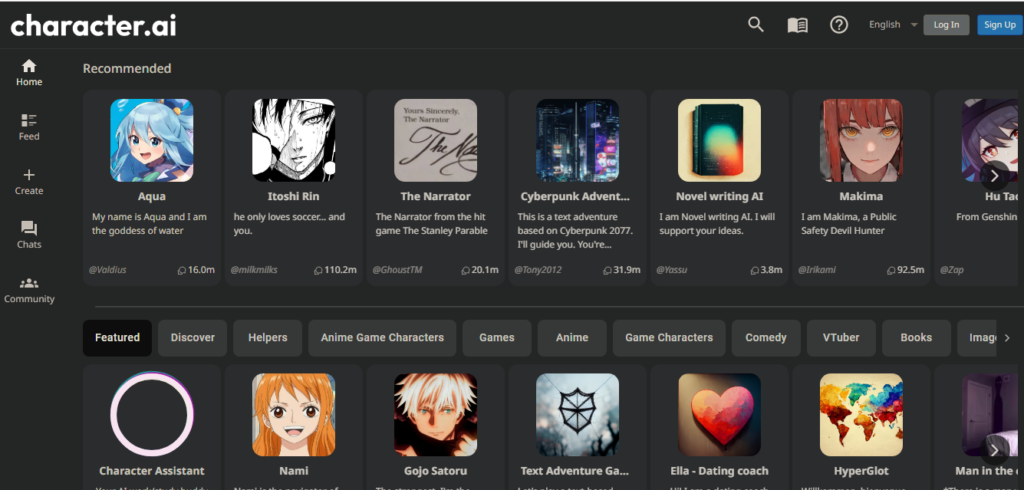
One intriguing development area in the ever-evolving landscape of artificial intelligence (AI) is Character AI. This specialized branch of AI focuses on creating lifelike digital characters capable of natural interaction with humans. In this 2,000-word article, we will dive deep into the world of Character AI, exploring its origins, applications, and the exciting possibilities it offers.
Table of Contents
Understanding Character AI
Character AI, short for Character Artificial Intelligence, is a field of AI dedicated to creating virtual characters or personas that can engage with users in a manner that resembles human interaction. These digital entities are designed to have human-like appearance, behavior, and conversational abilities, making them highly engaging and relatable.
The Evolution of Character AI
To appreciate the significance of Character AI, it’s essential to understand its evolution over time. Early attempts at creating digital characters were limited by the technology available. These characters often felt robotic, lacked emotional depth, and had rigid responses. However, with advancements in AI technologies such as natural language processing (NLP), machine learning, and deep learning, the capabilities of Character AI have grown exponentially.
Today, Character AI has reached a point where it can understand context, express emotions, and adapt responses based on user interactions. This evolution has paved the way for more advanced forms of Character AI, including the cutting-edge Beta Character AI.
Beta Character AI: A Leap Forward
Beta Character AI represents the pinnacle of character-based artificial intelligence. It goes beyond merely mimicking human-like appearance and behavior; it aims to replicate human-like cognition and emotions. Beta Character AI systems can engage in meaningful conversations, display various emotions, and adapt their responses dynamically.
Key Features of Beta Character AI
To gain a deeper understanding of Beta Character AI, let’s delve into some of its key features:
- Emotional Intelligence
Beta Character AI is programmed to recognize and express emotions. This adds a layer of realism to interactions, making them more relatable and engaging. These AI characters can convey happiness, sadness, anger, and other emotions, creating a more immersive user experience.
- Learning Abilities
Beta Character AI possesses the capacity to learn from user interactions. It continually improves its responses by analyzing past conversations and adapting its behavior accordingly. This adaptive learning results in more personalized and dynamic interactions.
- Multi-Modal Communication
These AI entities excel in multi-modal communication, which means they can interact with users through various channels, including text, speech, and visual cues. This versatility enhances their ability to engage users in various scenarios.
- Context Awareness
Beta Character AI is adept at understanding and maintaining context during conversations. This skill ensures that interactions remain coherent and relevant. Context awareness is crucial, whether a virtual assistant helping with a task or a virtual companion engaging in casual conversation.
- Customization
Beta Character AI systems can be customized to suit specific roles and industries. Whether it’s a customer service avatar, a virtual tutor, or a character in a video game, these AI entities can be tailored to meet the unique requirements of their respective domains.
Applications of Beta Character AI
The versatility of Beta Character AI makes it applicable across various industries and domains. Let’s explore some of its real-world applications:
- Customer Service and Support
Beta Character AI can serve as virtual customer service agents, providing instant support and resolving queries. Their ability to understand and empathize with customers enhances the overall customer experience.
- Education
Beta Character AI can act as virtual tutors in education, helping students learn and understand complex subjects. They can adapt their teaching style to individual student needs, making learning more effective and engaging.
- Entertainment
Beta Character AI is becoming increasingly prevalent in video games and interactive entertainment. These lifelike characters can engage players in immersive narratives and enhance the gaming experience.
- Healthcare
Beta Character AI can assist patients in monitoring their health, providing medication reminders, and offering emotional support in the healthcare industry. They can play a vital role in telemedicine and remote patient care.
- Marketing and Sales
Beta Character AI can be employed for personalized marketing and sales interactions. They can analyze customer preferences and provide product recommendations, leading to higher conversion rates.
The Future of Beta Character AI
The future of Beta Character AI holds immense promise. As technology advances, we can expect even more sophisticated AI characters to seamlessly blend into our digital interactions. These AI entities will continue pushing the boundaries of what’s possible, offering users more personalized and engaging experiences.
Ethical Considerations
While the potential of Beta Character AI is exciting, it also raises important ethical considerations. Developers and organizations must ensure these AI characters are used responsibly and ethically. This includes addressing issues of bias, transparency in AI decision-making, and respecting user privacy.
The Impact of Character AI on Human-Computer Interaction
Character AI represents a significant shift in how we interact with technology. Character AI bridges the gap between humans and machines by creating digital entities that can engage with us on a human level. This shift has several implications:
Enhanced User Experience
Character AI in customer service, education, and entertainment enhances the user experience. Users can engage with AI entities more naturally and enjoyably, leading to higher satisfaction and engagement.
Personalization
Beta Character AI’s ability to adapt and learn from interactions allows for highly personalized experiences. Whether it’s tailoring recommendations, adjusting teaching methods, or providing emotional support, these AI characters can cater to individual needs.
Accessibility
Character AI can improve accessibility for individuals with disabilities. For example, visually impaired users can benefit from AI characters that can communicate through speech and assist with tasks.
Redefining Human-Computer Relationships
Character AI blurs the line between human and machine interactions. Users can form emotional connections with these digital entities, leading to new forms of digital companionship and social interaction.
Challenges and Considerations
As with any emerging technology, Character AI comes with its set of challenges and considerations:
Ethical Concerns
Ethical questions arise regarding the responsible use of Character AI. Ensuring that these AI entities do not manipulate or deceive users and addressing bias and fairness issues are essential.
Privacy
Character AI often involves the collection of user data for customization and learning. Striking a balance between personalization and user privacy is a critical challenge.
Technological Advancements
The rapid advancement of Character AI requires continuous research and development to keep up with user expectations and industry demands.
Education and Awareness
Users need to understand the capabilities and limitations of Character AI to make informed decisions about its use. Education and awareness campaigns are essential.
FAQs about Beta Character AI
How does Beta Character AI differ from traditional AI?
Traditional AI primarily focuses on solving specific tasks or problems, while Beta Character AI is designed to create immersive and interactive digital characters. Beta Character AI goes beyond functionality and aims to replicate human-like behavior, emotions, and social interactions.
What are the key components of Beta Character AI?
The key components of Beta Character AI include:
- Natural Language Processing (NLP): To understand and generate human language.
- Emotion Recognition: To express emotions through speech, facial expressions, and text.
- Machine Learning: To adapt and learn from user interactions.
- Multi-Modal Communication: To engage users through various modes like speech, text, and visuals.
- Context Awareness: To maintain meaningful conversations.
Where can we find Beta Character AI in use today?
Beta Character AI is increasingly being used in various industries, including:
- Customer Service: Virtual agents assist customers in resolving issues and answering queries.
- Education: Virtual tutors help students learn and understand subjects.
- Entertainment: Video games feature AI characters for immersive experiences.
- Healthcare: AI companions provide support and monitoring for patients.
- Marketing and Sales: AI characters offer personalized recommendations.
Can Beta Character AI understand and respond to emotions?
Yes, Beta Character AI is equipped with emotion recognition capabilities. It can detect emotions in users' speech, text, or facial expressions and respond with appropriate emotional expressions. While not truly experiencing emotions, these AI characters simulate emotional responses effectively.
How do Beta Character AI systems learn and adapt?
Beta Character AI uses machine learning algorithms to learn from user interactions. They analyze conversations and feedback to improve their responses over time. This adaptive learning allows them to provide more personalized and contextually relevant interactions.
Are there any privacy concerns associated with Beta Character AI?
Privacy is a legitimate concern with AI, including Beta Character AI. To address these concerns, developers must implement robust data security measures and inform users about data collection and usage. Users should also be cautious about sharing sensitive information with AI characters.
What are the ethical considerations of using Beta Character AI?
Ethical considerations include:
- Ensuring AI characters are not used to deceive or manipulate users.
- Respecting user privacy.
- Addressing issues of bias and fairness in AI.
Developers and organizations must adhere to ethical guidelines and regulations in deploying Beta Character AI.
What does the future hold for Beta Character AI?
The future of Beta Character AI is promising. We can expect even more lifelike and intelligent AI characters as technology advances. They will continue to enhance user experiences in various domains, from entertainment and education to healthcare and customer service.
How can businesses leverage Beta Character AI effectively?
To leverage Beta Character AI effectively, businesses should:
- Identify suitable use cases within their industry.
- Ensure proper customization and training of AI characters.
- Continuously collect and analyze user feedback for improvement.
- Address ethical and privacy concerns transparently.
Beta Character AI represents a groundbreaking step in human-computer interaction, offering the potential for more engaging and personalized digital experiences across a wide range of applications.
Finding
In conclusion, Character AI represents a transformative development in artificial intelligence. It has evolved from basic digital characters to advanced Beta Character AI with human-like emotions, learning abilities, and context awareness. Its applications span industries, enhancing user experiences in customer service, education, entertainment, healthcare, and marketing.
The future of Character AI is bright, offering the potential for even more lifelike and intelligent AI characters. However, it also comes with ethical considerations and challenges that must be addressed responsibly. As we continue to explore the possibilities of Character AI, it’s essential to strike a balance between technological advancement and ethical principles, ensuring that these AI entities benefit society while respecting individual rights and values.